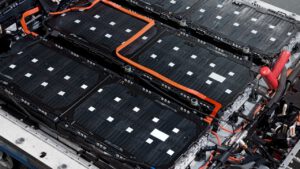


China has begun phasing out a long-standing consumption tax exemption for lithium batteries, a move that is expected to raise costs across the electric-vehicle supply chain and reduce preferential treatment for new-energy vehicles over time.
Under a joint announcement from the State Taxation Administration and other government departments, lithium primary batteries and lithium-ion rechargeable batteries will face a 2% consumption tax starting Sept. 1, 2026. The rate will increase to 4% beginning Sept. 1, 2027. The change ends an exemption that has supported China’s electric-vehicle battery industry for more than a decade. Ordinary batteries are already subject to a 4% consumption tax, while lithium-ion batteries used in electric vehicles had previously received preferential treatment.
Sodium-ion batteries, solid-state batteries, and fuel cells will remain exempt from the tax through Dec. 31, 2028.
Based on the average August 2026 price of domestic 314Ah lithium iron phosphate energy storage cells, which was about 0.365 yuan per watt-hour, the battery cost for a vehicle with a 60 kWh pack would rise by roughly 438 yuan under the 2% tax rate. That increase would reach about 876 yuan once the rate reaches 4%.
The battery tax changes are part of a broader adjustment to China’s new-energy vehicle tax policy. Starting in 2026, the purchase-tax exemption for new-energy vehicles was replaced with a 50% reduction, resulting in an effective tax rate of 5% and a maximum tax reduction of 15,000 yuan per vehicle. On July 3, the Ministry of Finance, the State Taxation Administration, and the Ministry of Industry and Information Technology also announced that preferential vehicle-and-vessel tax treatment will be withdrawn beginning Jan. 1, 2027.
Those changes will end the 50% vehicle-and-vessel tax reduction for energy-efficient vehicles and remove exemptions for battery-electric commercial vehicles, plug-in hybrid and range-extended vehicles, and fuel-cell commercial vehicles.
Source: CarNewsChina