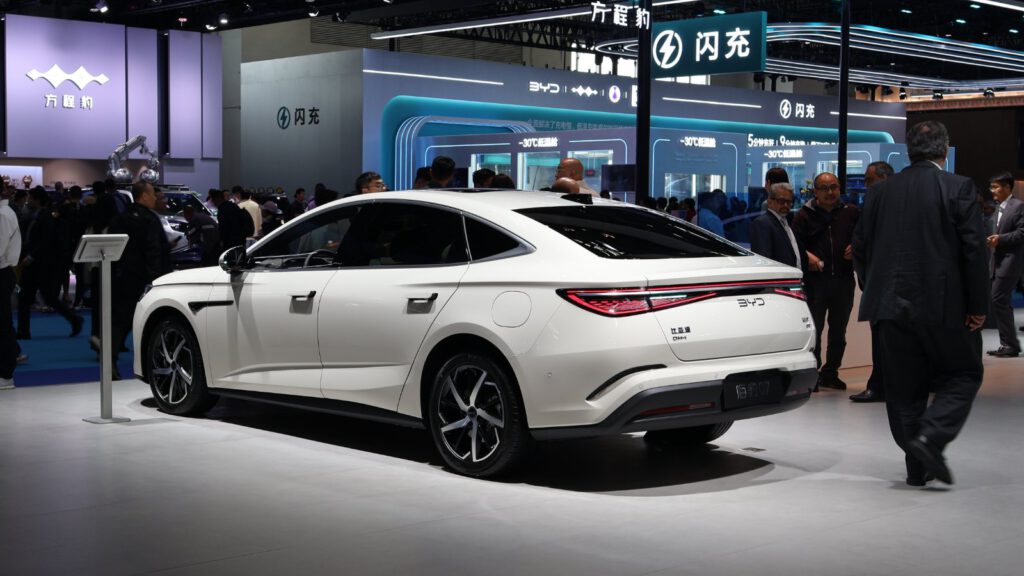

The European Union is seeking to negotiate voluntary limits on imports of China-made hybrid vehicles and may raise tariffs if no agreement is reached, according to a Financial Times report published Thursday. The move would extend the bloc’s trade pressure beyond battery electric vehicles as European automakers face layoffs and growing competition from Chinese exporters.
Citing people familiar with the matter, the report said the EU wants China to curb hybrid exports to its market in order to reduce trade friction. An EU official said the bloc would take action if shipments were not restricted, with the stated aim of stopping deindustrialization. Hybrid imports from China have risen sharply this year, becoming a new focus in the auto trade dispute after the EU earlier imposed additional duties on China-made battery electric vehicles.
According to the report, EU imports of hybrids from China increased from 3,800 in October 2024 to 50,000 in July 2026, while average prices declined. The European Commission imposed anti-subsidy duties on China-made battery electric vehicles in October 2024, leaving those vehicles subject to tariffs of up to about 45%. Hybrids currently face a 10% tariff. Since then, shipments of Chinese battery electric vehicles to the EU have grown only modestly, while hybrid imports have surged.
The possible measures are part of a broader EU effort to rebalance trade with China. The bloc has also asked Beijing to exercise restraint in exports of products such as chemicals and to buy more European goods. In June, the EU called for tangible progress in reducing its trade deficit with China by October. European Commission President Ursula von der Leyen said Wednesday that the bloc’s trade deficit with China, at about €1 billion a day, had reached a tipping point.
EU trade commissioner Maroš Šefčovič was scheduled to speak with Chinese Commerce Minister Wang Wentao on Thursday and is expected to visit Beijing in the second week of October. The European Commission is still hoping to reach an agreement on export restraints through negotiations.
The report said the EU hopes voluntary export limits could encourage Chinese automakers to invest more in Europe or partner with local manufacturers. Germany and France are also moving toward a consensus on tougher action against China.
Meanwhile, China’s overseas auto sales remain strong. The China Association of Automobile Manufacturers said the country exported 1.01 million vehicles in August, up 65.3% year over year. New energy vehicle exports reached 526,000, up about 130% and accounting for roughly 52.1% of total vehicle exports that month. Domestic NEV sales fell 4.6% in the same period, underscoring the importance of export markets.
Source: CnEVPost