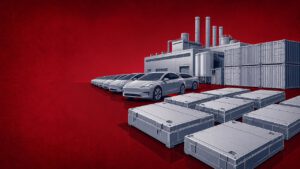


Peak Energy and General Motors have formed a strategic partnership to develop and deploy next-generation sodium-ion battery cells designed specifically for utility-scale energy storage. Announced on June 9, 2026, the collaboration is supported by a strategic investment from GM Ventures in Peak Energy. Under the agreement, General Motors will lead cell development and retain exclusive manufacturing rights in its Michigan battery laboratories, while Peak Energy will integrate the cells into its proprietary, passively cooled storage systems.
By combining Peak Energy’s passive-cooling architecture with GM’s cell expertise, the partners aim to deliver stationary storage systems that are more affordable and reliable than existing lithium-iron phosphate (LFP) solutions. Unlike LFP-based systems that require energy-intensive active cooling, Peak Energy’s platform relies on passive thermal management to maintain safe operating temperatures. According to company analysis, this approach can reduce storage costs by approximately 20% and achieve more than 99% uptime. Peak Energy estimates that widespread adoption of its sodium-ion technology could avoid up to 2 terawatt-hours of annual energy waste in U.S. storage installations—equivalent to powering a midsize city for a year.
Landon Mossburg, CEO and Co-Founder of Peak Energy, emphasized the importance of lowering energy costs for consumers and noted that the partnership with GM will accelerate deployment of scalable, cost-effective grid storage. Kurt Kelty, Vice President of Battery and Sustainability at General Motors, added that sodium-ion chemistry aligns well with grid applications and that GM’s next-generation cell will enhance reliability and reduce overall system costs at scale.
This alliance underscores a growing industry focus on alternative battery chemistries and advanced thermal management as utilities and developers seek solutions that support increasing electricity demand and higher integration of renewable resources. By leveraging domestic manufacturing capabilities, the partnership also aims to strengthen U.S. leadership and supply-chain resilience in the rapidly expanding energy storage market.
Source: PR Newswire