
BASF SE announced on November 20, 2026, that it will narrow its Battery Materials portfolio exclusively to cathode active materials. The company said this area offers the greatest potential for customer value, differentiation and profitable development. The move builds on a strategic realignment initiated in 2024 in response to changing conditions in global electric vehicle and battery markets.
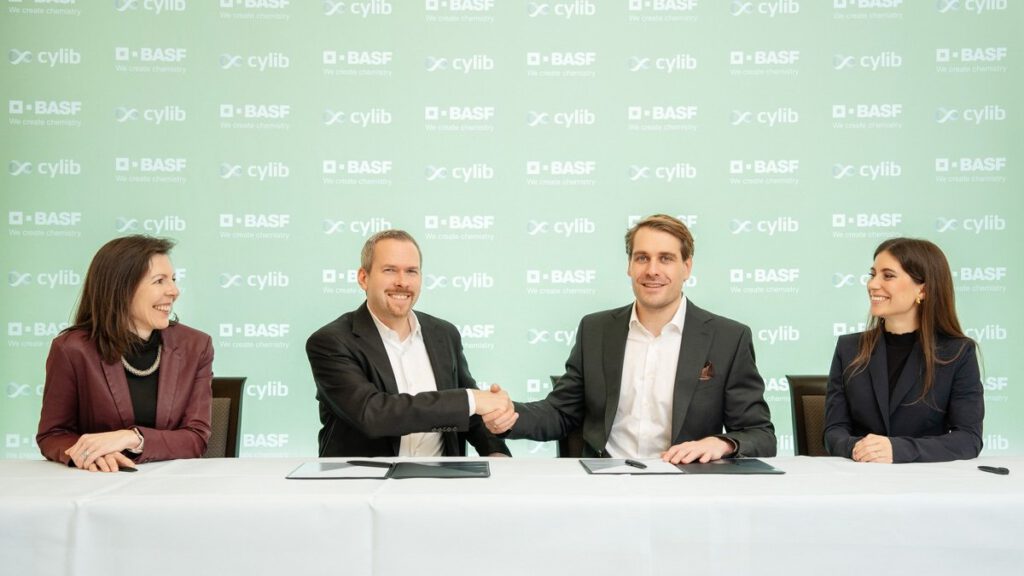
As part of the shift, BASF has signed an agreement to sell its battery recycling business to cylib. The transaction covers BASF’s recycling activities in Europe and North America, including intellectual property, customer contracts and partner relationships. It also includes the black mass production plant and battery recycling prototype plant in Schwarzheide, Germany.
Existing customer and partner relationships will continue, while BASF will manage the business and related communications until the transaction closes. Completion is expected between the second and third quarters of 2027, subject to regulatory approvals and customary closing conditions. The companies agreed not to disclose financial details.
BASF said the transaction is intended to move the recycling business into an organization with greater scale, complementary capabilities and closer integration across the recycling value chain. According to cylib, the Schwarzheide facilities will add another European location for processing used batteries into black mass. The company plans to further develop the value chain from end-of-life batteries to recovered raw materials, including lithium, nickel and cobalt.
Separately, BASF is reviewing strategic options for its production site in Battle Creek, Michigan, and its cathode active material precursor site in Harjavalta, Finland. Both facilities are currently idle, and BASF is seeking partners that can build on their existing assets and capabilities.
BASF plans to concentrate future resources on cathode active materials, using its global production and research network, customer-specific product development and expertise in nickel-based cathode materials. The company said it has signed long-term customer agreements and reduced costs and capital expenditures in recent years.
Source: basf.com