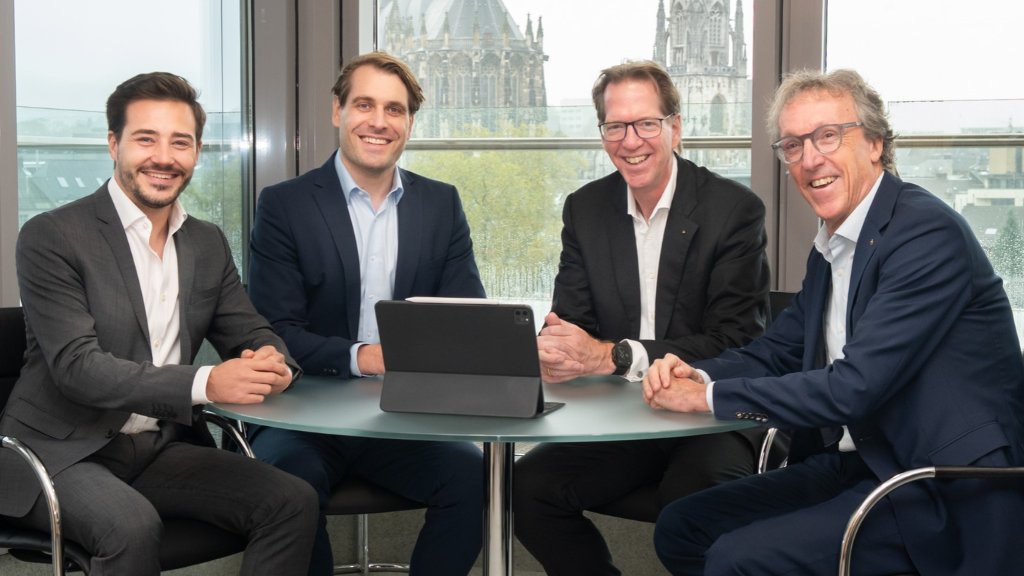
Battery recycling company cylib announced on November 12, 2026, that it has received its first bank financing from Sparkasse Aachen. The funds are already available and will support the ramp-up of cylib’s Wernberg-Köblitz site in Bavaria, complementing the company’s existing equity funding and public project grants.
The recently opened site discharges, dismantles, and mechanically processes end-of-life batteries. It is the first operational link in cylib’s end-to-end recycling chain. End-of-life electric vehicle batteries are processed there into black mass, an intermediate product earmarked for subsequent hydrometallurgical processing at the company’s upcoming Dormagen facility in North Rhine-Westphalia.
cylib took over the Wernberg-Köblitz site in July 2026. The facility has an annual processing capacity of up to 10,000 metric tons of end-of-life EV batteries. The Dormagen plant is under construction and is intended to recover critical raw materials from black mass produced at the Bavarian site.
The financing adds a bank loan to cylib’s funding mix for the first time. The company commissioned its pilot plant in Aachen in 2023, completed a €55 million Series A financing round in 2024, and secured €89.5 million in public funding in 2025 to support construction of its battery recycling plant at CHEMPARK Dormagen.
Founded in Aachen in 2022, cylib operates research and development activities at its headquarters in Aachen, mechanical battery processing in Bavaria, and the hydrometallurgical facility under construction in Dormagen. The company developed its water-based recycling technology through research at RWTH Aachen University.
According to cylib, its OLiC technology can process battery packs, black mass, and production scrap. The company reports recovery rates of more than 90% for lithium, graphite, nickel, cobalt, and manganese, with a carbon dioxide footprint 80% lower than primary production.
Source: cylib.de