
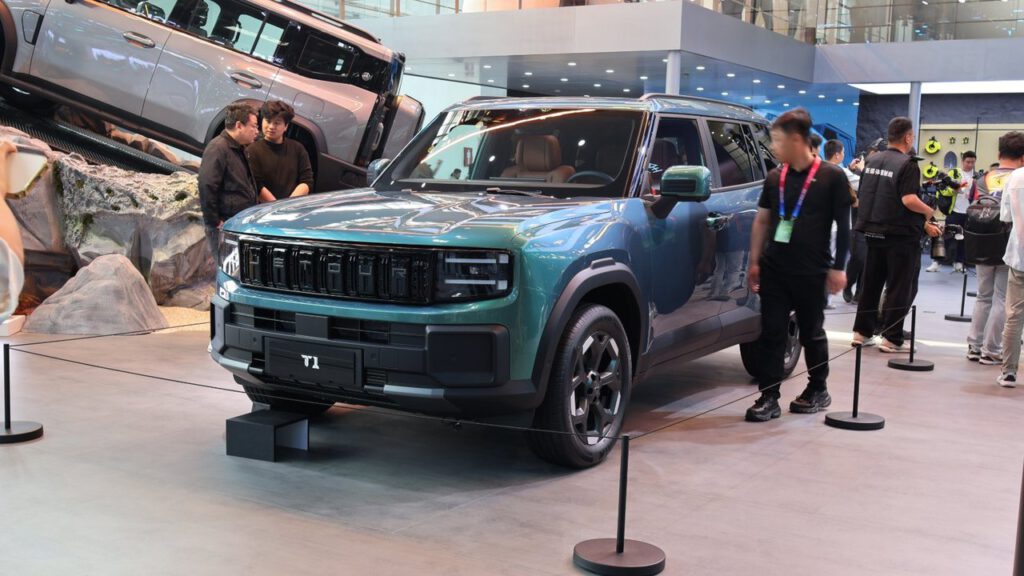

The European Union has urged Britain to raise tariffs on Chinese electric vehicle imports and align its trade policy more closely with the bloc, according to a Financial Times report cited by CnEVPost. Brussels warned that key British exports could otherwise face barriers under the EU’s “made in Europe” policy.
The policy is intended to favor manufacturers within the bloc through subsidies and public procurement in response to competition from China. Britain is seeking inclusion for its automotive, chemical, and energy supply chains amid concerns that domestic companies could be excluded from major EU subsidy programs.
EU officials have suggested that Britain join the EU customs union, which they said would address most of the trade issues and reduce concerns that Chinese products could bypass EU tariffs by entering through the UK. The British government continues to rule out joining either the customs union or the single market.
Britain did not follow the EU in introducing additional tariffs on Chinese EVs in 2024. Chinese manufacturers have secured a combined 16% share of the UK’s new car market this year, according to the report. In October 2024, the EU imposed definitive countervailing duties on battery electric vehicles imported from China for a period of 5 years.
EU tariff reaches 45.3% as UK faces pressure
Brussels wants Britain to raise Chinese EV tariffs, balancing European supply-chain access against consumer prices and Chinese investment.
The EU tariff stack peaks at 45.3%; all rows are neutral because the report gives rates, not changes.
The additional duties range from 7.8% to 35.3%. Combined with the existing 10% standard import duty, the maximum total tariff is 45.3%. Nissan’s European head, Massimiliano Messina, warned this month that Britain could become a route into the EU for Chinese EVs and called for adjustments to some tariff policies.
Higher tariffs could complicate Britain’s efforts to attract Chinese automotive investment. The UK is seeking Chinese capital, including efforts to bring Chery production to Nissan’s Sunderland plant. Britain’s trade department said trade measures would be determined independently based on national economic and industrial interests, while emphasizing the need to protect trade flows with the EU and avoid collateral damage from measures addressing unfair trade practices.
Source: CnEVPost