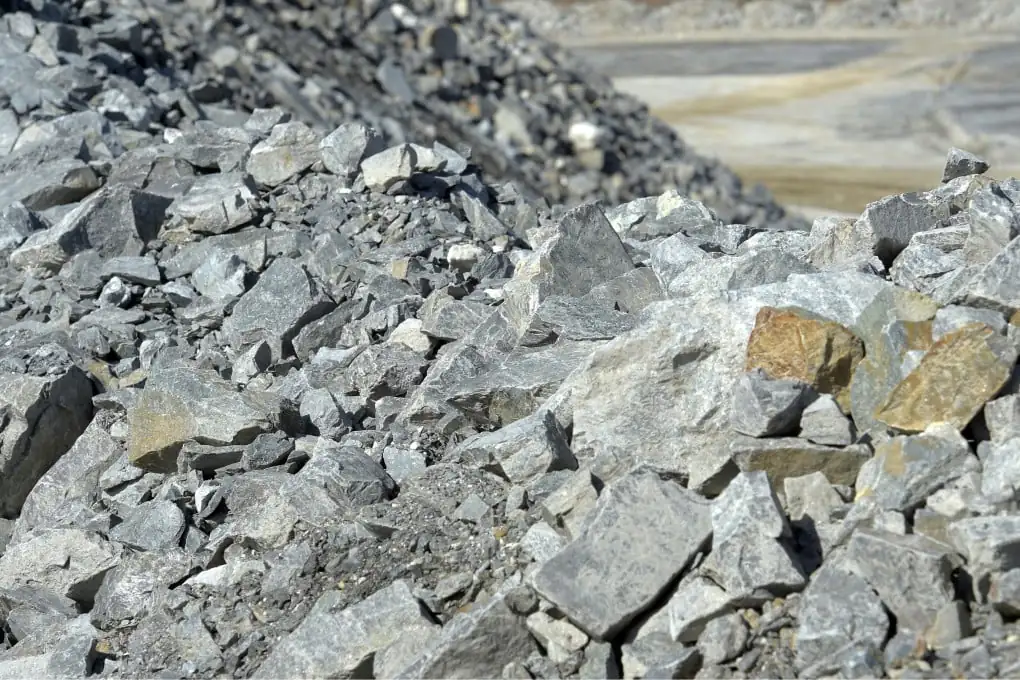

Zimbabwe’s government has imposed an immediate suspension on the export of all raw minerals and lithium concentrates, the mines ministry announced in a statement on Wednesday. The ban, which applies to shipments already in transit, will remain in place until further notice. Authorities cited concerns over “continued malpractices during the exportation of minerals” and pledged to realign export processes to curb leakages and improve system efficiency.
In a February 17 letter addressed to the Zimbabwe Chamber of Mines, the ministry highlighted its broader effort to ensure in-country value addition, beneficiation, compliance, and accountability in the nation’s mineral sector. Mining industry stakeholders have been urged to cooperate fully with the measure, which officials say is in the “national interest.”
Zimbabwe had originally planned to ban lithium concentrate exports in 2027 as part of a push to expand domestic processing capacity. The southern African nation is currently the continent’s top producer of the battery mineral, exporting 1.128 million metric tons of lithium-bearing spodumene concentrate in the year ended December 2025—an 11% increase over the previous year.
Rapid output growth has been driven by investments from Chinese mining firms, including Zhejiang Huayou Cobalt, Sinomine, Chengxin Lithium Group, and Yahua. Most lithium concentrate has been sent to China for refinement into battery-grade materials, but Harare has been pressing miners to build local processing plants to capture greater economic benefits from the global shift to cleaner energy sources.
Zhejiang Huayou Cobalt recently opened a $400 million facility to convert spodumene concentrate into lithium sulfate, an intermediate used to produce battery-grade lithium hydroxide or lithium carbonate. Sinomine has also announced plans for a $500 million lithium sulfate plant at its Bikita mine. These investments reflect Zimbabwe’s strategy to move up the value chain and maximize returns from its mineral wealth.
Source: Reuters