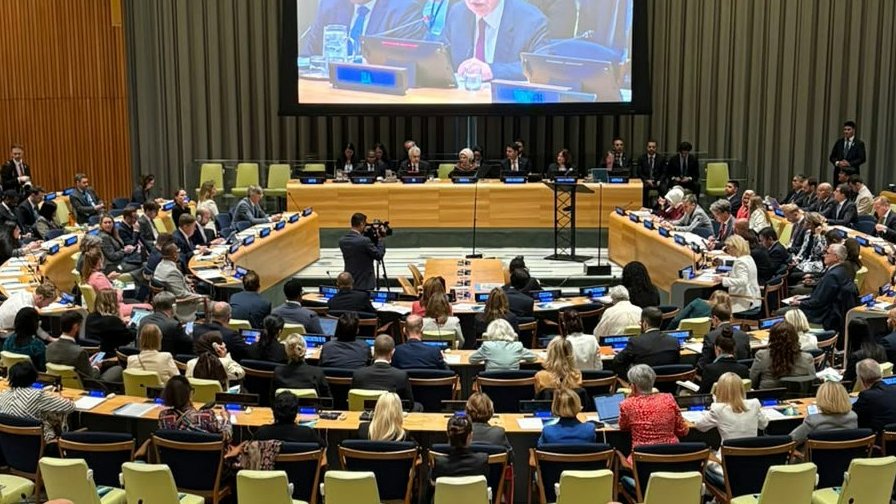

The International Energy Agency (IEA) and the COP31 Presidency of Türkiye, in collaboration with the government of Australia and the United Nations, convened the third High-Level Energy Transition Dialogue ahead of COP31 in November. Held during the UN General Assembly and New York Climate Week, the event brought together government ministers, representatives of previous and future COP Presidencies, private-sector executives and civil society stakeholders.
Discussions focused on opportunities to accelerate global electrification, a priority for the COP31 Presidency. Countries are considering a goal for electricity to meet 35% of final energy consumption by 2035.
The dialogue drew on a new IEA special report prepared at the request of Türkiye and Australia. The analysis examines electrification potential across sectors, along with implications for energy security, emissions reductions and broader benefits and trade-offs. According to the report, faster deployment of cost-effective technologies could bring the 35% target within striking distance.
Participants also discussed measures needed to support faster electrification. These included rapidly expanding power grids and energy storage, as well as improving access to finance in emerging and developing economies. The dialogue considered how cooperation among governments, industry, financial institutions and international organizations could support national electrification efforts.
“Electricity is becoming ever more central to modern economies and increasingly vital to our daily lives,” IEA Executive Director Fatih Birol said. He added that electrification can strengthen energy security and reduce emissions, while smarter and more flexible grids and increased investment will be needed to realize its potential.
COP31 President-Designate Murat Kurum said the Presidency established its “35-by-35” target in response to volatile energy markets, energy import dependence and rising temperatures. Australia’s COP31 President of Negotiations Chris Bowen said the IEA analysis indicates that existing technologies can support a more electrified energy system, with deployment at speed and scale remaining the central challenge.
Source: iea.org