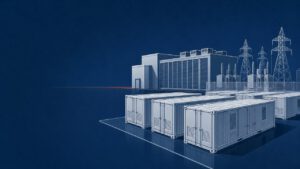

Democratic gains in both chambers of the U.S. Congress following the midterm elections have increased the prospect of greater scrutiny of President Donald Trump’s fossil fuel-focused energy policies. The election results have also raised the possibility that Democrats will seek to restore clean energy tax credits and other support measures, drawing attention to South Korean companies’ North American energy storage system operations.
According to SNE Research, LG Energy Solution and Samsung SDI together held approximately 20.9% of the North American ESS market in the first three quarters of 2026, up from 13.4% during the same period last year. The figures represent the combined share of the two companies rather than all three major South Korean battery manufacturers.
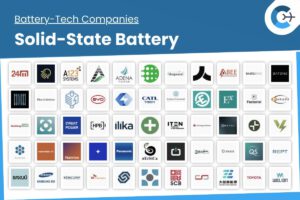
South Korean battery suppliers could also benefit from Democratic support for strengthening battery supply chains outside China. LG Energy Solution, Samsung SDI and SK On are working with domestic materials producers including POSCO Future M and L&F, which manufacture lithium iron phosphate cathode materials, as they seek to diversify raw material supply chains.
Yuanta Securities Korea analyst Lee An-na projected that North American-made battery cells could have a cost advantage of more than 40% over Chinese-made products when tariffs and subsidies are included. Such an advantage could support market-share gains for suppliers with local production.
However, immediate and sweeping policy changes remain unlikely. Although Democrats won majorities in both chambers, they lack the two-thirds majorities in the House and Senate required to override a presidential veto. An industry official said major legislative and policy changes could therefore be limited, although negotiations with the administration may produce gradual adjustments.
Tighter oversight of AI infrastructure and data center electricity consumption could also affect the sector. New requirements may constrain some projects, while rules requiring large power users to cover more grid upgrade costs could increase demand for alternative power systems and related equipment. The impact on individual South Korean companies will depend on project awards, local production competitiveness, customer investment schedules and facility ramp-up plans.
Source: businesskorea.co.kr