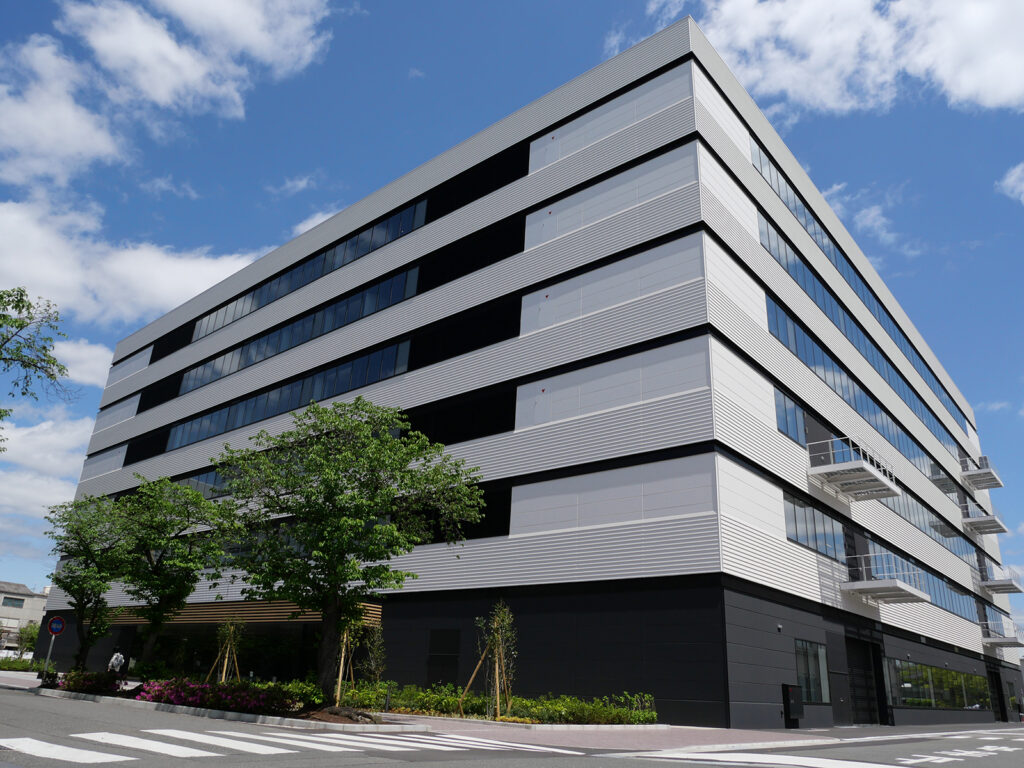

Panasonic Energy Co., Ltd. announced the launch of Energy Innovation Square, a new lithium-ion battery research and development facility in Kadoma, Osaka, Japan. The site is intended to serve as a global hub for battery development and production, supporting work in material development, cell design, prototyping, and analysis. Panasonic Energy said the facility will work in close collaboration with its Suminoe Production Development Facility in Osaka City to speed development and mass production of next-generation batteries for automotive and data center applications.
The company said technologies and manufacturing processes developed through the two-site collaboration will be deployed across its global manufacturing network, including facilities in Japan as well as Nevada and Kansas in the United States. Energy Innovation Square will employ about 500 people in cell product planning, technology development, and analysis. Combined with the Suminoe site, the two locations will form one of Japan’s largest dedicated battery development operations, with a total workforce of about 800.
Panasonic Energy said it aims to double development efficiency by fiscal 2031, compared with fiscal 2024, by strengthening coordination between development and manufacturing technology functions. The company added that consolidating development and prototyping activities that were previously spread across multiple sites should improve operational efficiency, optimize staffing needs, and reduce transportation-related development lead times by more than 15%.
The facility is also supported by a digital transformation platform designed to integrate simulation data and physical test data. Panasonic Energy said continuous process monitoring and statistical analysis will improve simulation accuracy and design maturity, helping reduce the time required to move new products into mass production.
The company noted that demand for advanced batteries is rising as electrification expands. It said electric vehicles require higher energy density and greater durability, while the growth of AI data centers is increasing demand for higher-output batteries. Panasonic Energy also pointed to emerging uses such as drones, robotaxis, and humanoid robots as additional future applications.
Kazuo Tadanobu, CEO of Panasonic Energy, said Energy Innovation Square will strengthen collaboration from next-generation product development through mass production and help improve the company’s global competitiveness.
Source: Panasonic Newsroom