

The European Commission has set an electrification target of 46 percent by 2040, nearly double the current level, as part of its new Electrification Action Plan. The initiative responds to recent geopolitical tensions and aims to reduce Europe’s dependence on imported fossil fuels, which make up more than half of its energy supply.
Transport, accounting for the continent’s largest oil consumption, remains over 90 percent reliant on petroleum products. Data from Transport & Environment (T&E) indicate that nearly eight million electric cars in Europe saved around 46 million barrels of oil in 2025, preventing approximately €2.9 billion in import costs. Scaling up electric mobility for cars and trucks is therefore seen as critical to improving energy security and cutting fuel imports.
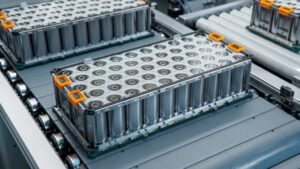
A centerpiece of the action plan is the concept of electric vehicles acting as “batteries on wheels.” By standardizing vehicle-to-grid (V2G) technology and promoting bidirectional charging converters, EVs could supply stored electricity back to the grid. This added flexibility could ease the challenges of integrating renewable sources—like wind and solar—by providing storage during periods of low generation and potentially reducing the need for costly grid upgrades.
The plan also highlights the importance of port infrastructure in transporting electrified vessels. It advocates installing enough charging capacity to serve at least one-third of Europe’s battery-electric ferries by 2040, though specific measures for port electrification were not detailed. Earlier T&E research suggested that over half of EU ferry routes could switch to electric propulsion at lower cost by 2035.
Officials caution that the action plan must be complemented by stricter CO2 standards for cars and trucks, expansion of the emissions trading system to heating and transport fuels, and stronger targets for corporate fleets. Transport & Environment’s energy director noted that without these supporting policies, the electrification goals may fall short of delivering the promised reductions in oil dependence and greenhouse gas emissions.
Source: Transport & Environment (https://www.transportenvironment.org/articles/eu-backs-electrification-to-make-europe-more-secure)