
South Korean battery material makers are stepping up efforts to build traceable supply chains outside China as the United States tightens rules tied to federal clean energy incentives. The changes are pushing companies to secure sources that comply with restrictions on materials and components linked to designated foreign entities.
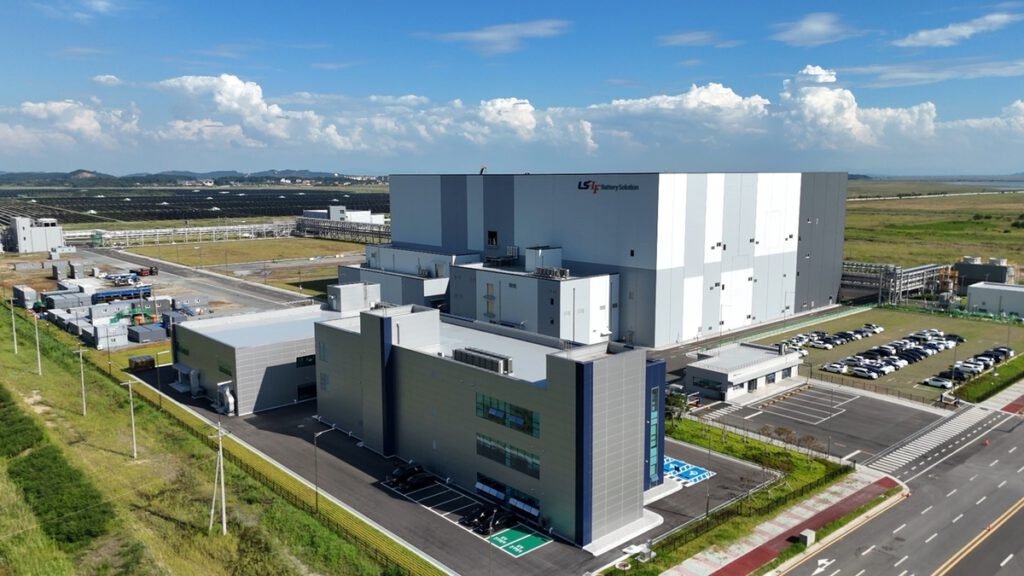
LS-L&F Battery Solution, a joint venture between LS Group and L&F, has started qualification testing to produce precursor materials, which are metal blends used in cathodes, with metal sulfates supplied by LS Group affiliate LS MnM. If the testing is completed as planned, the company could begin commercial production as early as the fourth quarter and move into full-scale operations next year. The joint venture initially plans to produce 40,000 metric tons a year, with output targeted to reach 120,000 tons by 2029.
The LS-L&F partnership, established in 2023, is building an integrated supply chain that runs from LS MnM’s nickel sulfate to LLBS precursors and L&F cathode materials. The companies aim to reduce reliance on China while meeting sourcing requirements under the U.S. One Big Beautiful Bill Act. LS MnM is also investing in an Indonesian smelter to secure nickel outside China and plans to begin mass production of mixed hydroxide precipitate, a nickel intermediate used in battery manufacturing, next year.
To qualify for U.S. incentives, companies must keep the share of materials and components sourced from prohibited foreign entities below set limits. For North American battery energy storage system projects, the required share of non-PFE materials and equipment starts at 55% this year and rises to 75% by 2030.
Other Korean suppliers are making similar adjustments. Posco Future M is diversifying its graphite sourcing with natural graphite from Tanzania and Australia, while also producing synthetic graphite anodes from steelmaking byproducts in Pohang, South Korea, and Vietnam. EcoPro BM is procuring nickel from Indonesia for cathode production in Pohang and Debrecen, Hungary. Its Debrecen plant began operating its first line in June and plans to start a second line by the end of this month to serve European customers.
Industry executives say the shift reflects efforts to navigate U.S. trade barriers while preserving access to incentives and protecting margins in a market dominated by Chinese suppliers.
Source: The Korea Herald