
South Korea’s three leading battery makers are reshaping their North American operations by moving away from joint ventures with automakers and toward wholly owned manufacturing sites. The shift is being driven by the prolonged slowdown in electric vehicle demand, tighter U.S. policy support for EVs, and the need to reduce fixed costs and interest expenses. Although the companies have described the changes as a way to strengthen their energy storage system business and improve production flexibility, the restructuring also helps ease the financial burden of underused EV-focused facilities.
The trend accelerated after the repeal of EV subsidies under the Inflation Reduction Act contributed to weaker North American EV deliveries, which fell 20.5% in the first half of the year compared with the same period last year. As sales weakened, both automakers and battery suppliers faced growing pressure to reduce obligations tied to joint ventures. For automakers, the changes ease required battery purchase commitments. For battery manufacturers, the shift opens the door to repurposing production lines for new customers and markets.
Samsung SDI recently bought General Motors’ 49.99% stake in their joint venture, Synergy Cells, giving it full control of the New Carlisle plant in Indiana. LG Energy Solution acquired full ownership of NextStar Energy, its Canadian joint venture with Stellantis, for a nominal $100 in February and later took control of all assets at Ultium Cells Plant 3, its joint venture with GM, for about 3 trillion won. SK On also restructured its BlueOval SK partnership with Ford in May, turning its Tennessee plant into an independent operation while Ford assumed control of the Kentucky facility.
The companies say the standalone model helps lower fixed costs. SK On said it expects to cut about 300 billion won in annual depreciation costs and 200 billion won in interest expenses after ending the Ford joint venture arrangement at the Tennessee plant. The restructuring also helped all three companies return to operating profit in the second quarter, marking their first simultaneous quarterly profit in seven quarters.
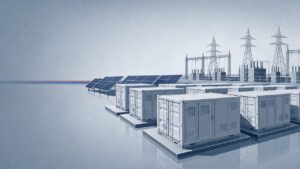
The newly secured facilities are now being directed toward the fast-growing North American ESS market and related power infrastructure applications, including data centers and backup power systems. Source: IT Chosun