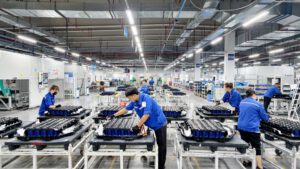


CATL’s battery plant in Debrecen, Hungary, has temporarily shut down three production sites after elevated nickel levels were detected in several employees, according to the reference report. The issue has prompted an investigation into the cause of the exposure, while authorities and the company work to determine what steps are needed before production can resume.
Hungarian lawmaker Tompa Enikő said that a procedure to impose fines is already underway. The report did not specify the size of any potential penalties, but it indicated that the case is being handled by the relevant authorities as a workplace health and safety matter.
The Debrecen facility is one of CATL’s largest manufacturing sites in Hungary and plays an important role in the company’s European expansion strategy. CATL is a major global producer of batteries for electric vehicles and has been building out its manufacturing footprint in Europe to help meet rising demand in the region.
Nickel exposure is considered a serious health concern because prolonged contact can lead to allergies and other medical problems. As a result, the current review is focused not only on identifying how the exposure occurred, but also on assessing possible measures to improve working conditions at the plant.
The temporary shutdown could affect supply chains tied to electric vehicle battery production, particularly as demand for EV batteries continues to rise worldwide. The report notes that Hungarian authorities and CATL are cooperating closely in an effort to clarify the situation and restart operations as quickly as possible.
The incident has also drawn attention to labor conditions in the rapidly expanding battery manufacturing sector. Hungary has pursued policies aimed at attracting international companies, especially from Asia, and CATL’s Debrecen plant has been a key part of that strategy.
Source: Telex