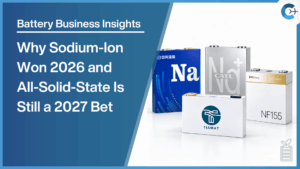


The European Economic and Social Committee (EESC) has identified sodium batteries as a critically important technology for Europe’s industrial and energy future, according to its latest opinion adopted following a plenary debate on February 19. The Committee has called for sodium batteries to be included as a central component of the European Union’s industrial strategy and for funding in the next Multi-Annual Financial Framework to support the sector.
EESC President Séamus Boland emphasized that batteries—broadly defined—are central to Europe’s competitive position, and that sodium-based systems deserve urgent strategic support. The Committee’s opinion highlights sodium batteries’ advantages: they rely on abundant, low-cost raw materials sourced in Europe, reduce dependence on critical imports, and align with the EU’s climate and circular-economy objectives.
During the debate, EU Research and Innovation DG Director-General Marc Lemaître praised the timing of the opinion, noting that sodium technology is “abundant, affordable and ideal for a circular value chain” and that it will help set Europe’s level of ambition. Fabrice Stassin of the Batteries European Partnership Association pointed out that China leads globally in battery R&D investment—€1.2 billion over the past decade—but said Europe must translate its own innovations into production, backed by strategic policy and funding.
Speakers stressed that existing gigafactory initiatives in Europe focus primarily on lithium-ion technology, overlooking the potential of sodium systems, particularly sodium-saltwater configurations. These systems could leverage salt-water desalination processes, tapping a vast resource for sustainable industrial development and emergency preparedness under the EU Blue Deal initiative.
The EESC opinion calls for a coordinated EU action plan to update the industrial roadmap for batteries to encompass both lithium and sodium technologies. Recommendations include investing in workforce skills and small- to medium-sized enterprises, offering flexible public support through subsidies, tax incentives and joint R&D programs, and converting underused industrial sites into gigafactories. The Committee also underscored the importance of eco-design and recycling to establish a truly circular sodium battery value chain.
Alain Coheur, president of the EESC’s Consultative Commission on Industrial Change, noted that adopting the opinion marks only the beginning of the effort to develop a competitive sodium battery industry in Europe, requiring sustained political will, collaboration and investment.