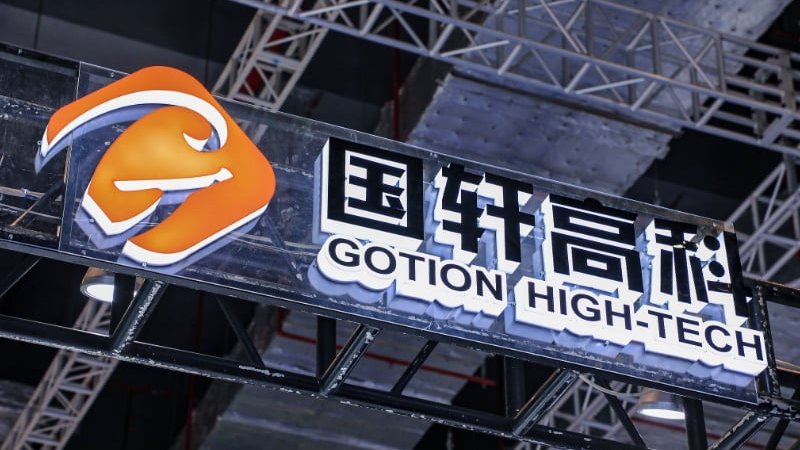

Gotion High-Tech announced on September 30, 2026, that it is advancing its Jinshi solid-state battery cells toward commercialization, with targets of 400 Wh/kg energy density and USD 150/kWh. The battery maker presented the update at the 2026 World Manufacturing Convention in Hefei.
The company said the cells use a sulfide-based solid electrolyte. Gotion had previously claimed an energy density of 350 Wh/kg for the technology, making the new 400 Wh/kg figure a higher commercialization benchmark.
Gotion also reported progress in safety evaluations. According to the company, the cells underwent puncture and high-temperature tests without producing smoke or flames. It characterized the evaluations as extreme test scenarios and said the results showed that high energy density could be combined with safety in solid-state cells.
On cost, Gotion aims to bring solid-state batteries to a benchmark of 1 yuan/Wh, equivalent to about USD 150/kWh. The source noted that this level is more than twice the current average price of lithium iron phosphate cells in China. The company disclosed the benchmark as its ultimate pricing goal for the new cells.
In March 2026, Gotion settled on the design of a 2 GWh solid-state battery production line. The company said it has continued preparing the Jinshi cells for real-world commercialization, including through safety testing. The update did not provide a start date for mass production.
Founded in 2006 in Hefei, Gotion operates 20 manufacturing bases worldwide and counts Volkswagen as its largest shareholder. China EV DataTracker reported that Gotion recorded 4.61 GWh of battery installations in August 2026, placing it fifth behind other second-tier suppliers including EVE Energy and CALB. Chinese battery makers and automotive brands are also planning solid-state battery trial production and vehicle testing in 2027.
Gotion Targets 400 Wh/kg for Solid-State Batteries
Gotion set commercialisation targets for its Jinshi solid-state cells after advancing production design and safety testing.
The installation figure is neutral because the source provides no year-on-year change or market share.
Source: CarNewsChina.com